Case Studies
been there, done that.

Cracking the Bromley Odour Mystery
facilitation problem solving innovation digital tools regulatory action

The Challenge
For years, the community of Bromley had lived with a terrible odour problem. Everyone knew it, no one could prove it. With multiple possible sources, politics in the mix, and worn-out investigation methods, the problem dragged on for over a decade. Public frustration grew, trust was slipping, and councillors were under real pressure to act.
The Approach
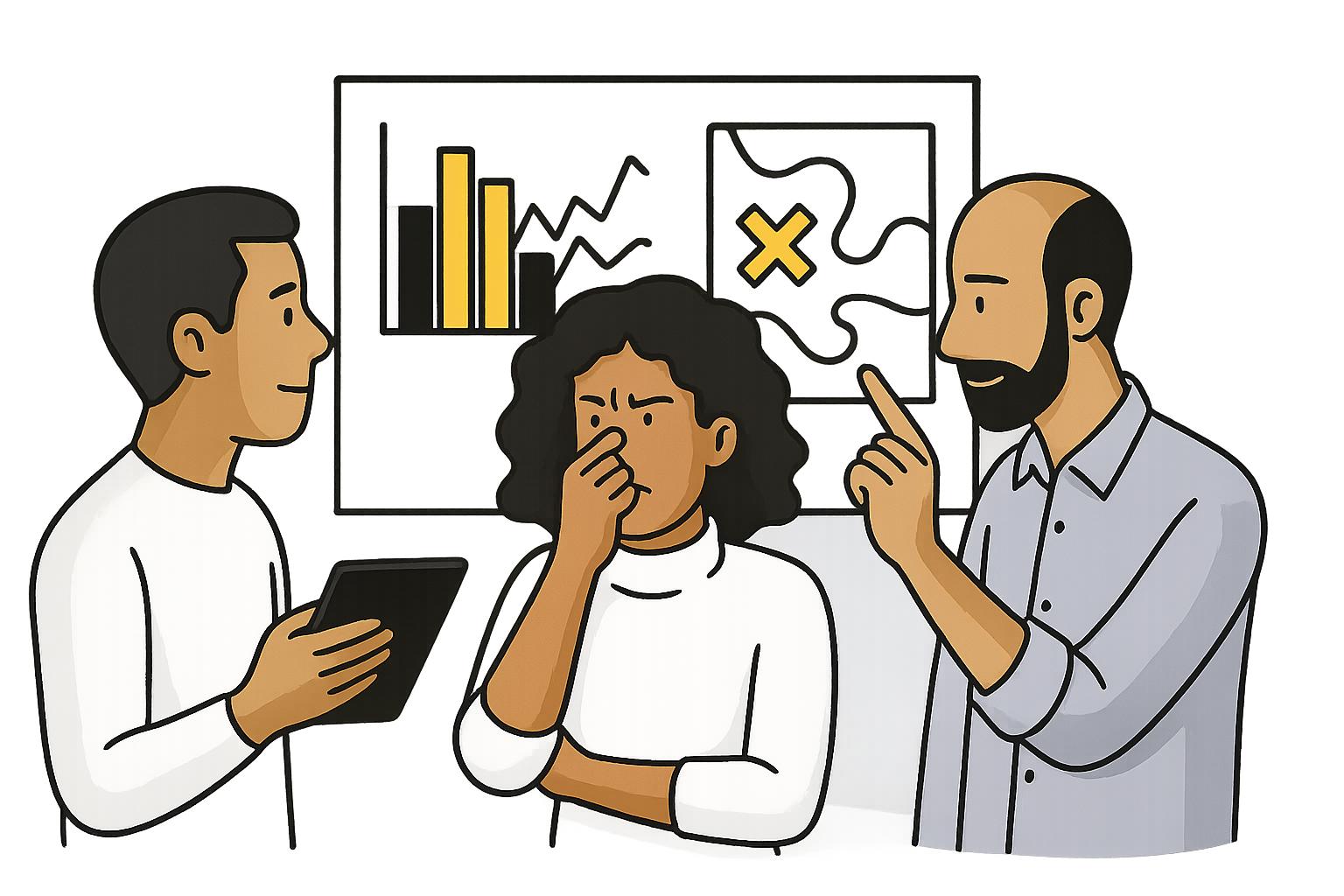
We set out to do things differently. I co-facilitated a design thinking process that helped a cross-functional team tackle the problem with fresh eyes. Together, we designed a pilot where the community could log odour reports through a simple app. Each entry captured when, where, and what the smell was like. We paired that with wind modelling, staff observations, and an independent assessor’s notes — slowly building a picture that no one could ignore.
It wasn’t just about data. We dropped letters, held community meetings, and kept the public looped in. Inside the council, I worked closely with the team to keep momentum, build confidence, and carry the story all the way up to senior leaders and elected members.

The Outcome
By the end of the pilot, the evidence spoke for itself. We could finally identify the emitter, and present a clear, visual narrative that stood up under scrutiny. The result: an agreement to invest over $20M into fixing the facilities, to bring relief to thousands of Bromley residents.

The Value
This work showed the power of persistence, creativity, and teamwork. I helped the team stick with a tough challenge — from front-porch conversations with residents, to the daily grind of data collection, to board-room presentations. My role was to help people work together in new ways, stay motivated, and keep focus until we had real results.
From Farm Plans to National Data Infrastructure
freshwater land mgmt policy regulatory design cultural responsibility industry engagement

The Challenge
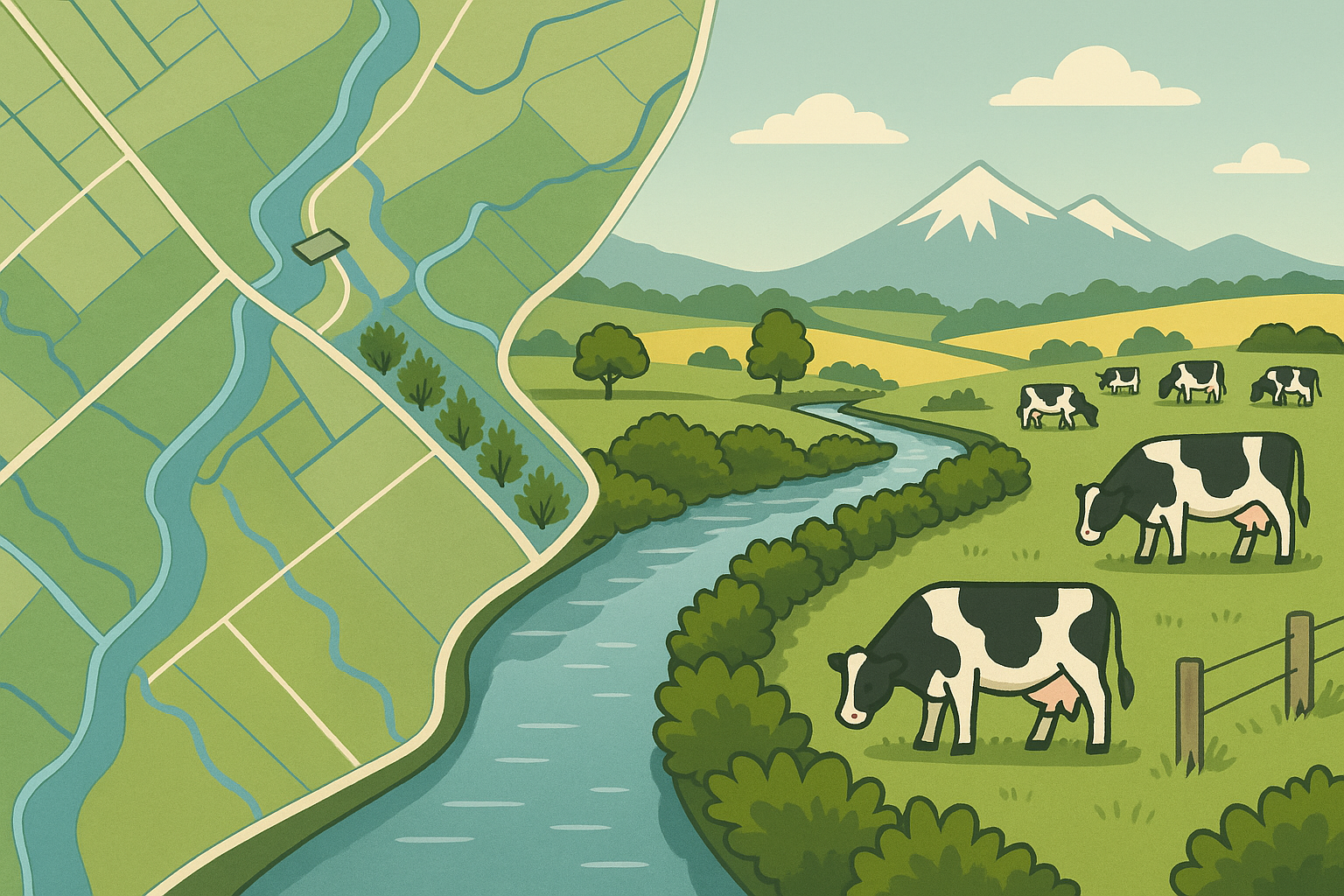
New Zealand’s freshwater faces real pressure, with agriculture — the country’s largest export earner — a major contributor. To turn the tide, the government introduced Freshwater Farm Plans (FWFP) in 2020, a new regulatory tool designed to help farmers identify risks and take action to protect waterways. Building this system required more than compliance: it meant weaving Te Mana o Te Wai into practice, engaging tangata whenua meaningfully, and bringing together farmers, industry, councils, communities, and central government around a shared purpose. The political stakes were high and perspectives often differed, but the work created space for collaboration across divides. As the framework took shape, attention turned to how to manage the data FWFPs would generate — a challenge that led to the development of the Integrated National Farm Data Platform (INFDP).

The Approach
I co-facilitated this work with a skilled colleague, and together we created the structure and space for others to do their best thinking. We began small, working with a trusted leadership group to define guiding principles, purpose and basic structure of the regulatory system we were to create. That clarity became an anchor we could return to whenever debates grew tense.
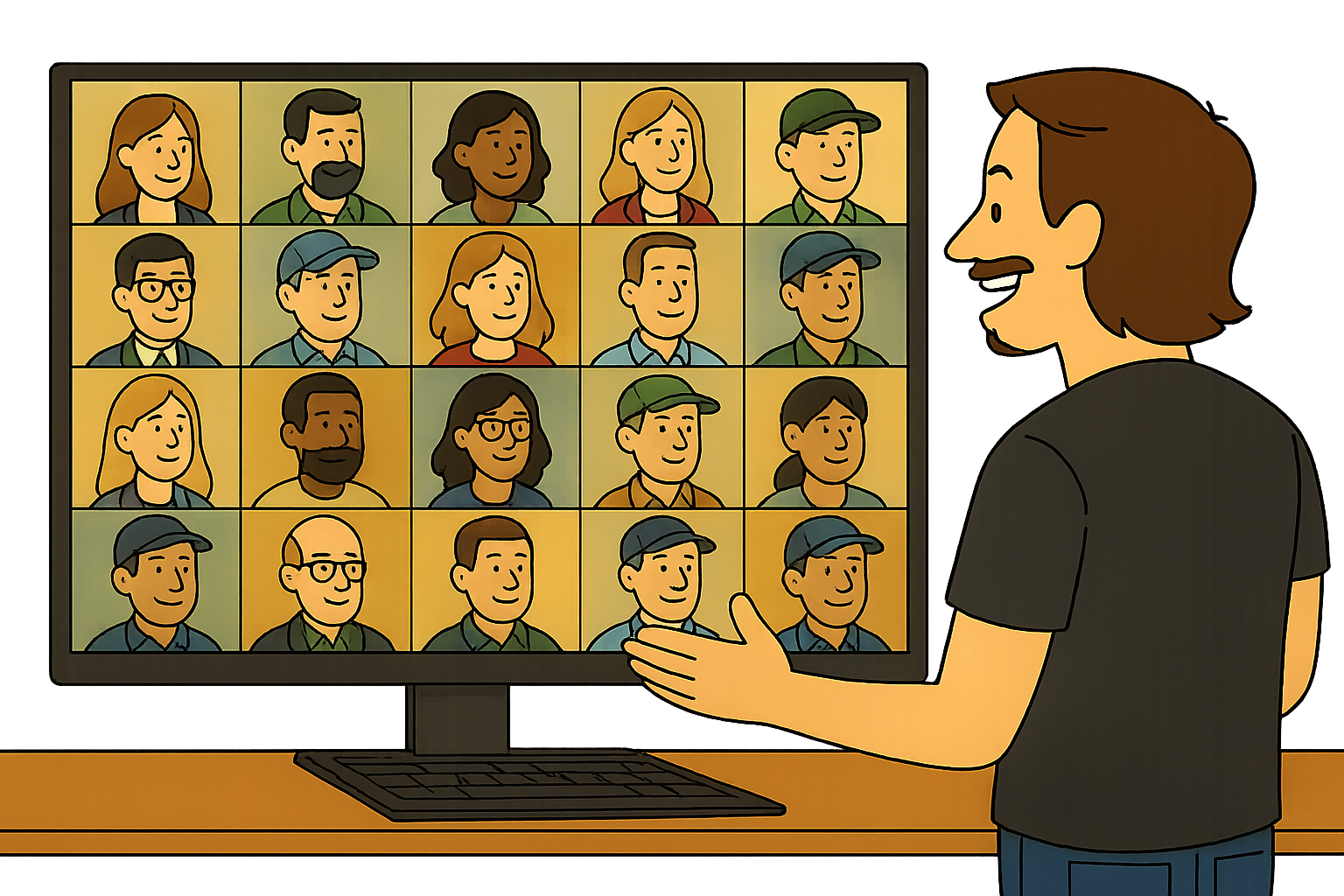
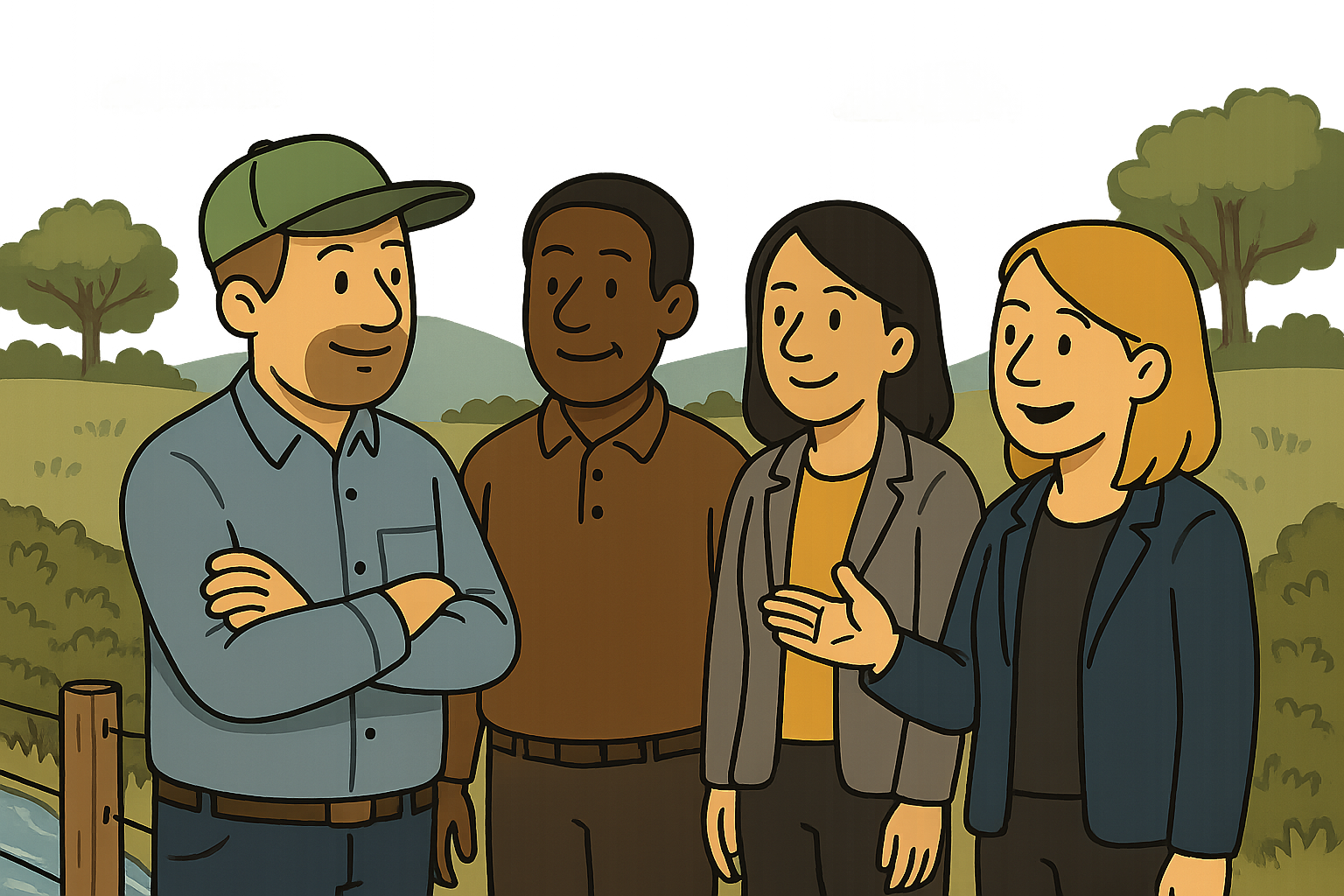
From there, we widened the circle. We ran workshops, facilitated farm visits, and brought in perspectives from regional councils, industry organisations, mana whenua, farmers, environmentalists, and downstream communities. Hearing directly from those affected gave us crucial insights: what councils needed to be effective, what farmers feared most, and what communities and tangata whenua needed to protect their relationship with freshwater.
When the focus shifted to INFDP, our facilitation turned to governance-level decision making. We supported leaders to weigh sensitive trade-offs — designing a data system that could meet regulatory needs without crossing into surveillance or undermining trust. This meant helping the group navigate cultural, political, technical, and commercial complexity simultaneously, without losing sight of the ultimate purpose: protecting and restoring freshwater.
The Outcome
The FWFP regulations were gazetted in June 2023 and came into force that August, with rollout underway across New Zealand. For INFDP, the governance group agreed on a national data strategy and delivered an interim platform in time for mandatory dates, while laying a clear pathway for future expansion.

The Value
This work shows the power of facilitation to bring together diverse expertise — policy makers, regulators, mana whenua, farmers, industry bodies, regional councils, environmentalists, and communities — into something greater than any one group could achieve alone. My role was to design and hold the process: helping people build trust, see the whole system, navigate trade-offs, and stay focused long enough to deliver. It’s a reminder that even in environments where law, culture, politics, and livelihoods collide, facilitation can turn complexity into collaboration and vision into reality.

Monolith to Modern: Student Services Rebuilt
university student mgmt. legacy systems tech-debt modern architecture custom software
The Challenge
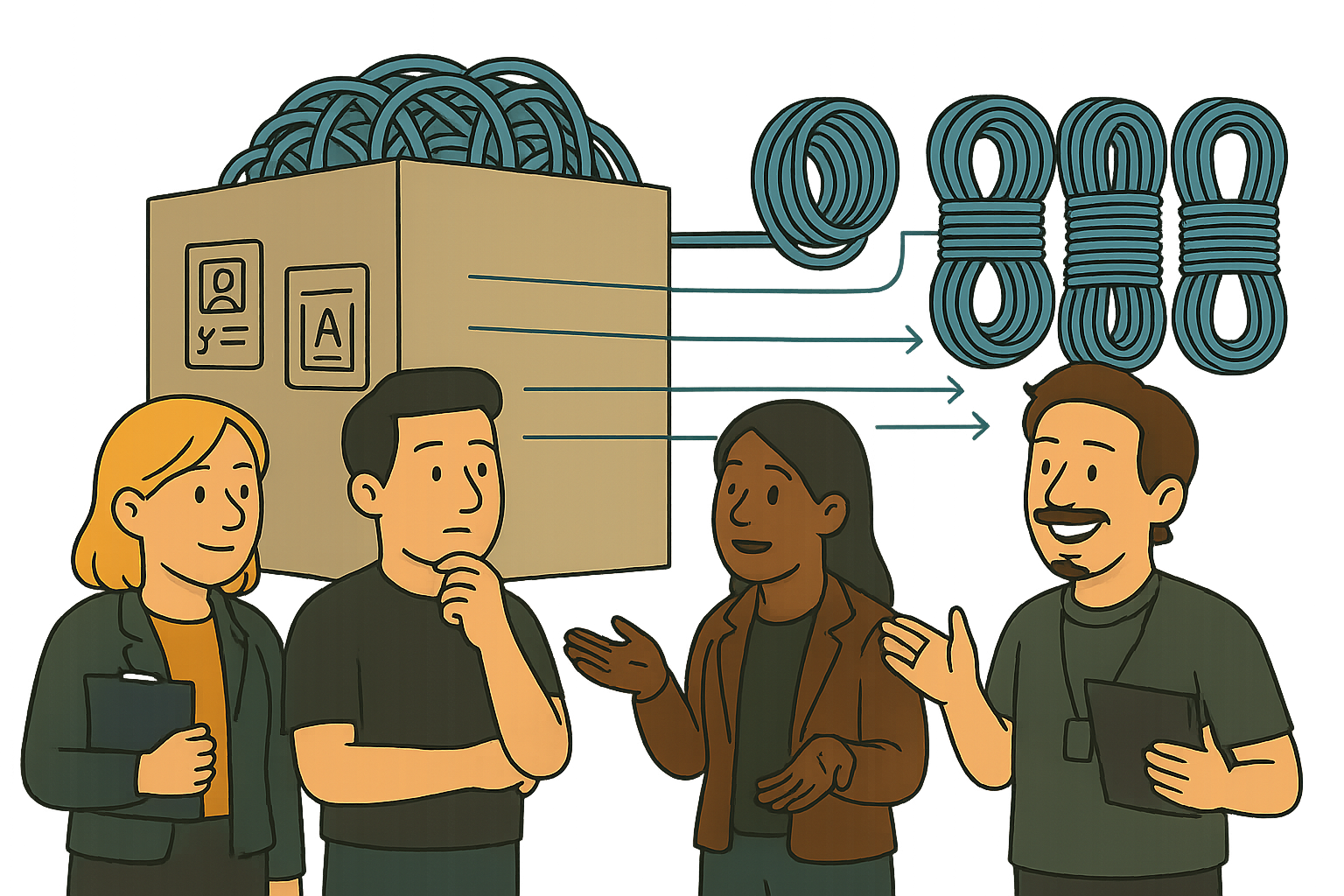
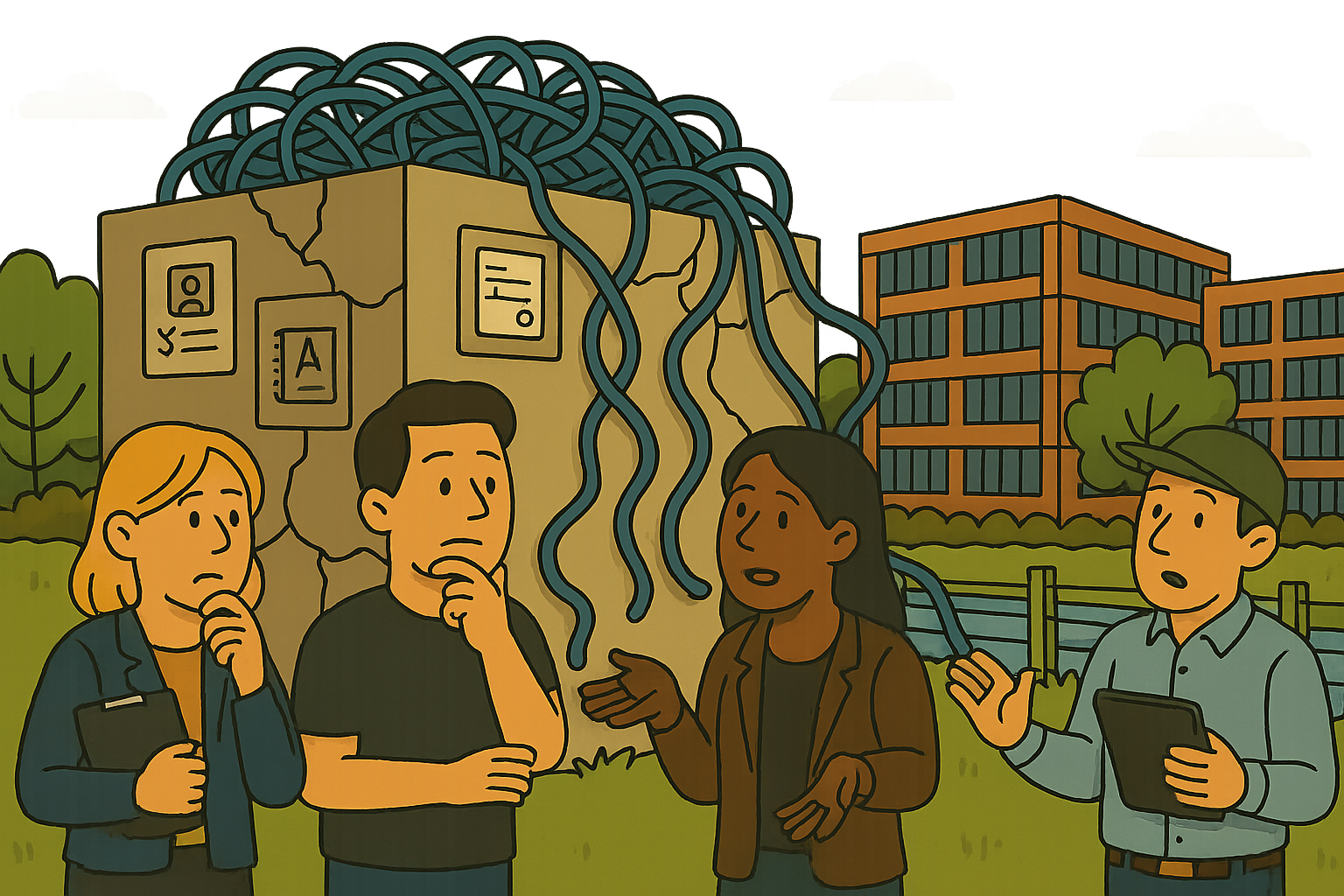
The University of Canterbury faced a significant risk when its long-standing student management system reached end of life. Over decades, the system had accumulated layer upon layer of functions — enrolments, grades, course management, transcripts — until it resembled a tangled knot of critical processes. What had once served the institution well had grown too large, outdated, and interwoven to be reliable. This complexity created a single point of failure for essential services, and with the University already beyond the recommended migration window, the urgency to unravel and replace it was pressing.
The Approach
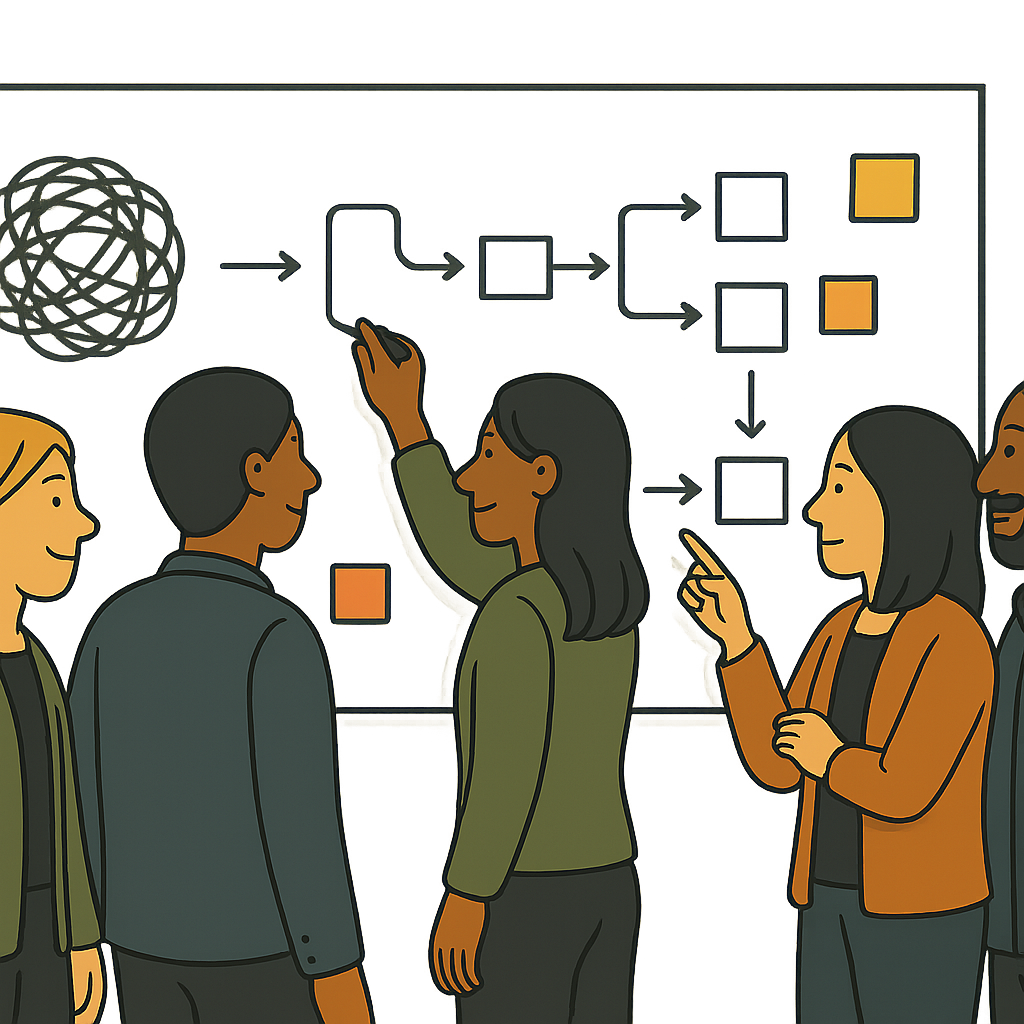
My role as Delivery Lead was not to dictate solutions, but to create the space and structure for others to succeed. I facilitated conversations, workshops, and planning sessions that allowed teams to clarify the critical path, refine roles and responsibilities, and focus on shared goals. By drawing together architects, developers, business analysts, and administrators, I helped ensure the right expertise was applied to the right problems at the right time.
The programme adopted a scaled agile framework, organising work into functional teams covering UI, APIs, and low-code development. Faculty and administrators were engaged through structured feedback loops, ensuring the system reflected the needs of those who used it. Change managers applied established methodologies like ADKAR and PROSCI to smooth the transition for staff and students. While the technical team designed and implemented modern, maintainable architecture to replace the legacy system, my role was to keep delivery flowing — balancing refinement with execution and ensuring everyone had the clarity they needed to move forward together.
Outcomes
The first major milestone was the enrollment season. The programme delivered a new online enrolment system on time, with an improved interface and streamlined processes. The impact was immediate: record enrolments, surpassing previous years and outperforming other New Zealand universities. Beyond this milestone, the programme laid a foundation for a modern, modular system that would reduce risk and provide greater flexibility in the years ahead.

The Value
Student First demonstrates how facilitation and collaborative delivery can untangle even the most entrenched technology challenges. Technical debt accumulates organically over time, and what once seemed efficient can eventually become a constraint. By creating the conditions for clarity, alignment, and progress, I helped a 35-person team navigate this complexity and deliver at pace.
This work helped safeguarded the student experience and revenue while guiding the university’s transition from a fragile, outdated system to a more adaptable, sustainable future.